
Orthopedic Physiotherapy
Assessment and treatment for joint, muscle, tendon and spinal problems — from sudden strains to long-standing stiffness.
45–60 minutes from ₹800
Read more

Evidence-informed physiotherapy and rehabilitation for pain, stiffness, sports injuries, post-surgical recovery and long-term movement confidence — planned around your goals, not just your symptoms.

No two people with the same diagnosis need the same plan. We test before we treat.
You leave the first session knowing what is happening and what the plan is.
Range, strength and function are re-tested at agreed intervals — not guessed at.
Short, practical home programmes beat perfect programmes nobody follows.
Every assessment starts with the same three questions: how does your body move, what is limiting you, and what do you want to get back to doing?

Assessment, hands-on treatment and progressive exercise — delivered in the clinic, at home or online.
Assessment and treatment for joint, muscle, tendon and spinal problems — from sudden strains to long-standing stiffness.
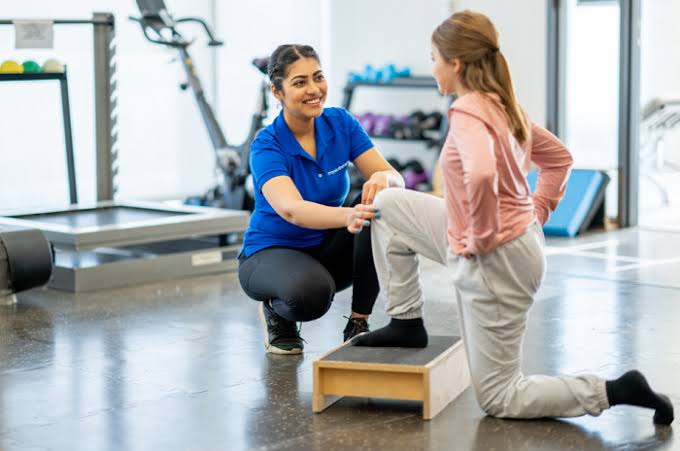
Injury treatment, return-to-sport planning and performance rehabilitation for recreational and competitive athletes.
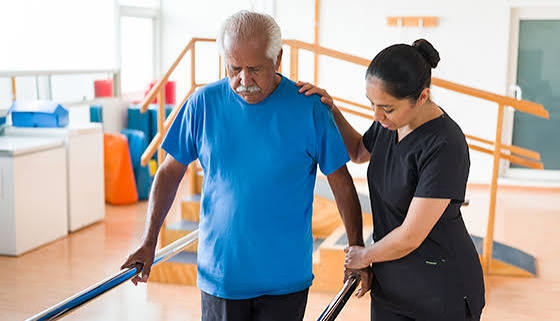
Movement, balance and functional retraining for people living with neurological conditions.
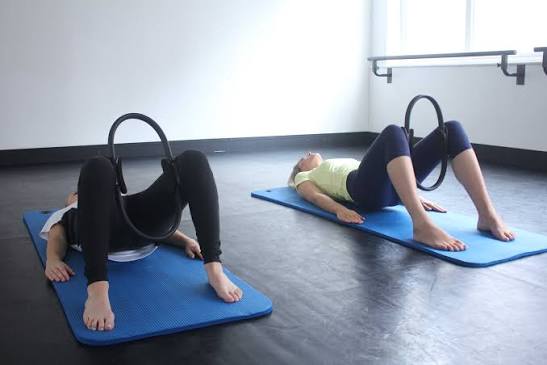
Structured recovery after orthopedic surgery, following the surgeon's protocol and progressing at a safe pace.

The same assessment and treatment plan, delivered at home for patients who cannot travel comfortably.

Strength, balance and confidence work to help older adults stay independent and reduce fall risk.
Tap any condition to see the symptoms, common causes and how physiotherapy typically helps.
A structure that keeps treatment purposeful — and finite.
Request a time online or call. We will confirm the slot and tell you what to bring.
A detailed history plus movement, strength and joint testing to find the actual driver of your symptoms.
Hands-on treatment where useful, plus a written exercise programme sized to your life.
We re-test at agreed points. When you have hit your goals, treatment ends — we do not spin it out.
Leave three details and we will call you back, answer your questions and book you in over the phone. No account needed.

Lead Physiotherapist
MPT (Orthopaedics), BPT
12 years experience
Profile
Senior Physiotherapist
MPT (Neurology), BPT
9 years experience
Profile
Sports Physiotherapist
MPT (Sports), BPT, CSCS
8 years experience
Profile
Physiotherapist — Women's Health
MPT (Women's Health), BPT
7 years experience
Profile“My father is 78 and could not travel to a clinic. Home sessions worked well and the therapist also suggested changes at home that made him much steadier on his feet.”
“I had lower back pain for almost a year and had stopped most of my walking. The assessment explained exactly what was happening and the exercise plan was realistic. Three months on I am back to my morning walks.”

“Came in with a hamstring strain six weeks before a half marathon. The return-to-running plan was staged properly and I was told clearly when I could progress. Finished the race without a problem.”
“After my knee replacement the rehab was structured week by week and matched what my surgeon had advised. Knowing the milestones in advance made the difficult early weeks much easier.”
“My father is 78 and could not travel to a clinic. Home sessions worked well and the therapist also suggested changes at home that made him much steadier on his feet.”
“Six months after my mother's stroke, the sessions focused on things that actually mattered to her — standing up on her own, walking to the balcony. The family was shown how to help correctly.”

Rest, painkillers, scans or movement? What the evidence says about the first fortnight of a new episode of low back pain.
19 Aug 2026

Treatment plans built around function tend to work better than those built around pain scores alone. Here is why.
10 Aug 2026

Practical workstation adjustments that make a measurable difference — and the one habit that matters more than all of them.
1 Aug 2026
The questions we are asked most often. There are more on the FAQ page.
All questions →In most cases no — you can book an assessment directly. If your problem needs medical investigation or a specialist opinion, we will tell you and coordinate with your doctor. Some insurance policies do require a referral for reimbursement, so check with your provider if you plan to claim.
Bring any scans, X-rays, MRI reports or discharge summaries relating to the problem, a list of current medications, and comfortable clothing you can move in. If the problem involves your legs or lower back, shorts are helpful.
First appointments usually run 45 to 60 minutes because they include a full assessment, explanation and initial treatment. Follow-up sessions are typically 30 to 45 minutes.
It depends entirely on the condition, how long it has been present and your goals. Many straightforward problems improve within four to six sessions. Post-surgical and complex conditions take longer. You will get an estimate after the first assessment, and it is reviewed as you progress.
Yes. Please give at least 24 hours notice where possible so the slot can be offered to someone else. You can call, message on WhatsApp, or use the patient portal if you have an account.
Book an assessment and we will tell you honestly what is going on, what will help, and roughly how long it should take.