Runner's knee: load management beats rest
Complete rest usually settles symptoms and then they return. Here is what a graded approach looks like instead.
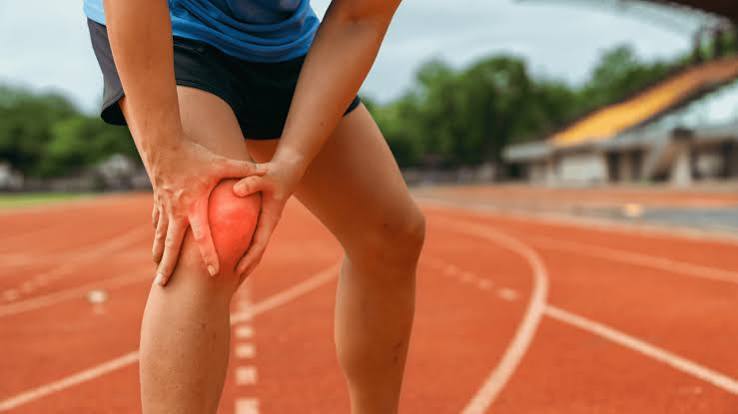
Patellofemoral pain — pain around the kneecap, worse with stairs, squatting and running — is one of the most common running injuries. It is also one of the most commonly mismanaged.
Why complete rest disappoints
Rest reduces the load and symptoms settle. But rest also reduces the tissue's capacity, so when running resumes at the previous volume the knee is less prepared than before. Symptoms return, often faster.
Reduce, do not remove
Finding the volume and intensity you can tolerate — and staying there while strength builds — usually works better than stopping entirely.
Strengthen above the knee
Hip abductor and quadriceps strength are consistently implicated. Progressive strengthening of both, at a load that genuinely challenges, forms the core of most successful programmes.
Look at the progression that caused it
Most cases follow a rapid increase in training volume, a change in surface or terrain, or a return after a break at the previous volume. Identifying that pattern prevents the next episode.
Expect weeks, not days
Strength adaptations take time. A realistic programme runs six to twelve weeks, with running maintained at a tolerable level throughout.